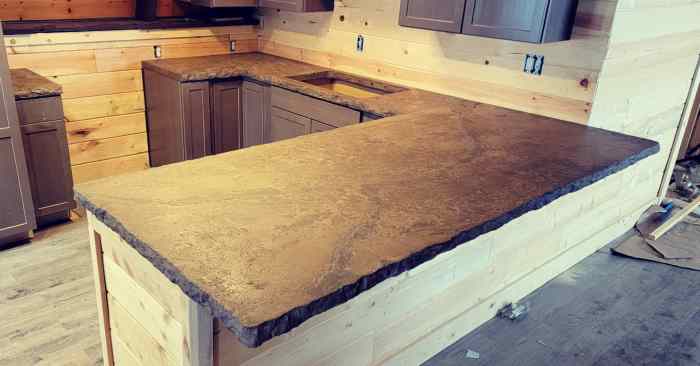
Concrete countertop installation is not just a home improvement project; it’s an opportunity to blend functionality with artistry. These versatile surfaces can elevate your kitchen or bath, offering a unique aesthetic that complements a wide range of design themes. With a variety of styles, colors, and finishes, concrete countertops can be tailored to match your personal taste and enhance your home’s value.
From the initial design phase to the final touches, the journey of installing concrete countertops is both exciting and rewarding. This guide will walk you through the essential materials, tools, preparation steps, and the installation process to ensure a successful outcome. Whether you’re a DIY enthusiast or hiring professionals, understanding the nuances of concrete countertop installation can make all the difference in achieving a stunning result.
Introduction to Concrete Countertop Installation
Concrete countertops are increasingly becoming a popular choice in home improvement projects due to their durability, versatility, and modern aesthetic. Whether you’re renovating your kitchen or bathroom, concrete countertops offer a strong surface that can withstand daily wear and tear while also providing a unique look that can complement various design styles. These countertops come in a variety of styles and finishes, allowing homeowners to customize their appearance to fit their personal taste.
From sleek and polished to rustic and textured, the options are endless. The typical timeframe for installing concrete countertops can vary depending on the complexity of the design and the curing process, but most installations can be completed within a week, making it a relatively quick upgrade for any home.
Materials and Tools Needed
Before starting your concrete countertop project, it’s essential to gather all necessary materials and tools to ensure a smooth installation process. Below is a comprehensive list of what you’ll need:
- Concrete mix
- Reinforcement mesh or rebar
- Concrete sealer
- Concrete colorant (optional)
- Wood for forms (e.g., melamine boards)
- Screws and nails for form assembly
- Plastic sheeting (for curing)
In addition to materials, certain tools are essential for the installation:
- Mixing container or concrete mixer
- Hand tools (trowels, floats, etc.)
- Drill
- Level
- Vibrating tool (for removing air bubbles)
- Polishing pads for finishing
Safety gear is also crucial during the installation process. Ensure you have:
- Dust mask or respirator
- Safety goggles
- Gloves
- Ear protection (if using power tools)
Preparation Steps
Proper preparation is key to a successful concrete countertop installation. First, measure and create a template for your countertop. This often involves drawing a detailed plan that includes dimensions and cutouts for sinks or appliances. Once your template is ready, it’s time to prepare the base or cabinets. Ensure they are level, sturdy, and clean to support the weight of the concrete.Next, mixing the concrete is a critical step.
Follow the manufacturer’s instructions for the right water-to-concrete ratio. Mix until you achieve a smooth, lump-free consistency. Pour the concrete into the prepared forms, using a vibrating tool to eliminate any air bubbles trapped within the mix.
Installation Process
The installation of concrete countertops involves several steps that should be followed carefully for the best results.
1. Form Setup
Begin by assembling your wood forms according to your template.
2. Mixing and Pouring
Once your concrete is mixed, pour it into the forms evenly, carefully filling all edges and ensuring there are no voids.
3. Finishing
Use a trowel or float to smooth the surface. Depending on your desired finish, you might opt for a simple grind or a polished look, which requires additional steps of sanding and sealing.After the concrete has cured, remove the forms and proceed with the finishing techniques to achieve the desired appearance.
Maintenance and Care
Caring for concrete countertops is vital for their longevity. Regular cleaning with mild soap and water is recommended. Avoid harsh chemicals that can damage the surface. For added protection, sealing your countertops every few years will enhance their durability and resistance to stains.Common issues may include cracks or chips, which can often be repaired using concrete fillers. Regularly inspect your countertops for any signs of wear and address them promptly to maintain their aesthetic appeal.
Home Improvement Context
When comparing concrete countertops with other materials like granite or quartz, concrete stands out due to its customizable nature and unique finishes. While traditional materials offer a classic look, concrete provides a modern touch that can be tailored to any design scheme.In the broader context of home improvement, incorporating concrete countertops can significantly elevate the value and aesthetics of your home.
Their versatility makes them suitable for both kitchens and bathrooms, contributing to a cohesive look throughout your space.
Feng Shui Considerations
The placement of concrete countertops can influence the energy flow in your home. Positioning them in a way that promotes balance and harmony is essential according to Feng Shui principles. Selecting colors and textures that align with these principles can enhance the overall feel of your kitchen.Integrating concrete countertops into a Feng Shui-compliant kitchen design involves careful consideration of the surrounding elements, ensuring they contribute positively to the space’s energy.
Green Living Aspects
Concrete countertops can be an eco-friendly choice, especially when produced with sustainable practices. Using recycled materials or eco-friendly additives in the concrete mix minimizes environmental impact. These countertops also contribute to energy efficiency by absorbing and retaining heat, which can help regulate indoor temperatures.Choosing locally sourced materials can further enhance the sustainability of your project, reducing transportation emissions while supporting local economies.
Interior Design and Aesthetic Integration
Concrete countertops can seamlessly blend with various design styles, from industrial to modern minimalist. Their neutral tones provide a versatile backdrop for vibrant colors used in cabinetry and decor. Color coordination is key to achieving a cohesive look; ensure your countertops complement other fixtures and elements in the space.Accessorizing spaces that feature concrete countertops can add warmth and character. Consider using natural materials like wood, textiles, or plants to create a balanced atmosphere.
Future Trends in Concrete Countertops
Emerging trends in concrete countertop design include innovative finishes and advanced installation techniques. Homeowners are increasingly seeking unique textures and integrated features, such as built-in sinks or lighting. The use of technology in the concrete industry allows for greater customization, meeting the evolving preferences of consumers.As sustainability continues to gain importance, the demand for eco-friendly concrete solutions is expected to rise, paving the way for future developments in this versatile material.
Final Review
In summary, concrete countertop installation is a transformative experience that combines practicality with elegance. By following the Artikeld steps and considering factors such as maintenance and design trends, you can create a countertop that not only meets your needs but also enhances your living space. Embrace the possibilities of concrete and watch how it can redefine your home’s interior for years to come.
FAQ Resource
How durable are concrete countertops?
Concrete countertops are highly durable and can withstand significant wear and tear, making them suitable for heavy-use areas like kitchens.
Can concrete countertops be customized?
Yes, concrete countertops can be customized in terms of color, texture, and shape to fit your specific design preferences.
How do I clean concrete countertops?
Use a mild soap and warm water solution for regular cleaning, and avoid harsh chemicals that could damage the surface.
How often do I need to seal my concrete countertops?
It’s recommended to seal concrete countertops every 1-3 years, depending on usage and wear.
Are concrete countertops eco-friendly?
Yes, when made with sustainable materials and additives, concrete countertops can be an eco-friendly choice for home design.