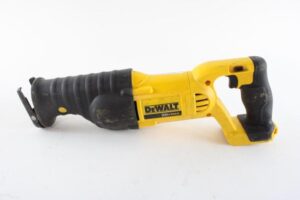
Safety gear for DIY projects is not just an accessory; it’s an essential part of any home improvement endeavor. Whether you’re drilling a hole, mixing paint, or remodeling a bathroom, the right safety equipment can mean the difference between a successful project and a trip to the emergency room. Understanding the various types of safety gear available and recognizing their importance can empower you to tackle your DIY tasks with confidence.
From protective eyewear to slip-resistant footwear, there’s a wide range of gear designed to keep you safe while you work. Each type serves a specific purpose, ensuring that you’re prepared for the potential hazards associated with your chosen project. With the right safety measures in place, you can focus on bringing your creative ideas to life without compromising your well-being.
Importance of Safety Gear in DIY Projects
Engaging in DIY projects can be both fulfilling and enjoyable, but the significance of safety gear cannot be overstated. Utilizing appropriate safety equipment is essential for preventing injuries and ensuring a smooth process throughout your home improvement endeavors. Not only does proper gear protect you from immediate hazards, but it also plays a critical role in maintaining long-term health and safety.Without safety gear, the risks of common DIY injuries such as cuts, abrasions, eye injuries, and even more severe incidents like falls or electrical shocks increase significantly.
The consequences of neglecting safety measures can lead to long recovery times, ongoing medical costs, and sometimes permanent damage. In contrast, investing in quality safety gear not only provides immediate protection but also promotes a safer environment for future projects, allowing enthusiasts to work confidently and efficiently.
Types of Safety Gear for DIY Projects
There are several types of safety gear that every DIY enthusiast should consider, depending on the specific tasks at hand. Here’s a breakdown of essential safety equipment:
- Protective Eyewear: Essential for any project involving cutting, sanding, or chemical usage, these glasses shield your eyes from flying debris and harmful substances.
- Gloves: Various types of gloves protect against cuts, burns, and chemicals. Heavy-duty work gloves are ideal for handling rough materials, while latex or nitrile gloves are better for chemical handling.
- Dust Masks or Respirators: When working with materials that produce dust or fumes, wearing a mask helps prevent respiratory issues.
- Hearing Protection: Earplugs or earmuffs are crucial when using loud power tools to prevent damage to your hearing.
- Hard Hats: These are important when working in environments where there’s a risk of falling objects.
Each of these types of gear serves a specific function and can be crucial in preventing injuries during various DIY tasks. For instance, wearing protective eyewear while cutting wood can prevent serious eye injuries from splinters, while gloves can protect your hands when handling sharp tools or hazardous materials.
Home Improvement Appliances and Safety Gear

When using home improvement appliances, specific safety gear is necessary to mitigate risks and ensure safety. Power tools such as saws, drills, and sanders can be particularly hazardous, so understanding the precautions required is key.Before starting any project, ensure that you are equipped with the following safety gear:
- Power Tool Guards: Built-in safety features on tools that prevent accidental injuries.
- Non-slip Footwear: Essential for maintaining footing on slippery surfaces while using machinery.
- Work Gloves: These protect your hands from cuts and abrasions, especially when handling materials.
Maintaining safety while using appliances involves not only wearing the correct gear but also adhering to best practices, such as keeping your workspace organized and ensuring proper lighting.
Safety Gear for Bath and Shower Renovations
Bathroom remodeling presents unique risks, particularly in wet environments. The necessity for specific safety gear becomes evident when considering the potential hazards involved.To ensure safety during renovations, the following gear is critical:
- Slip-resistant Footwear: This helps prevent falls on wet surfaces.
- Protective Gloves: Needed when handling sharp tiles or chemical cleaners.
- Safety Goggles: Useful for protecting your eyes when cutting materials or working with adhesives.
Utilizing this equipment can significantly reduce the chances of accidents, allowing for a smoother renovation process.
Safety Gear for Flooring Projects
Installing or renovating floors also requires specific safety measures. Some of the key safety gear includes:
- Steel-toed Boots: Protect your feet from heavy materials falling during transportation or installation.
- Respirators: Important when working with certain flooring types that may release harmful dust or fumes.
- Knee Pads: Protect your knees when working on the ground for extended periods.
Handling heavy flooring materials safely is vital. Use proper lifting techniques and, when necessary, mechanical aids to minimize the risk of injury.
Cleaning Tips and Tools for Safety
Cleaning tools and agents can pose safety risks if not handled properly. Here are some tips to ensure safety while cleaning during DIY projects:
- Use Protective Gear: Gloves and masks should be worn when dealing with harsh cleaning chemicals.
- Work in a Ventilated Area: Ensure proper air circulation when using chemicals to avoid inhaling harmful fumes.
Following these practices not only protects your health but also ensures that your cleaning efforts don’t inadvertently introduce hazards into your home.
Safety Gear for Home Improvement Remodeling
During remodeling projects, specific safety gear is essential to create a safe workspace. Consider the following gear:
- Hard Hats: Useful in areas where overhead work is taking place.
- Safety Glasses: Protects against debris when using power tools.
- Dust Masks: Important when working with drywall or insulation.
Creating a safe workspace involves organizing tools and materials efficiently while ensuring proper ventilation when using substances like paint or adhesives.
Safety Considerations for Home Improvement Roofing
Roofing projects carry unique risks that require specific safety gear. Essential equipment includes:
- Safety Harnesses: Prevent falls when working at heights.
- Hard Hats: Protect against falling objects.
- Non-slip Footwear: Essential for maintaining traction on sloped surfaces.
Adhering to safety guidelines for ladder use is equally important during roofing tasks. Always maintain three points of contact when climbing and ensure the ladder is on stable ground.
Home Improvement Security and Safety Gear
When installing security systems, safety gear is also vital. Consider the following:
- Protective Eyewear: Essential when drilling or using tools that can generate flying debris.
- Gloves: Protect your hands from sharp edges and tools.
Ensuring safe installation involves being aware of risks associated with electrical components and using the correct gear.
Tools and Equipment Safety
Different tools and equipment necessitate specific safety gear. Essential items include:
- Safety Glasses: Prevent injuries when cutting or grinding.
- Hearing Protection: Necessary for prolonged use of loud equipment.
Understanding the importance of wearing protective gear while handling tools not only enhances safety but also promotes longevity and efficiency in your DIY projects.
Designing a Safe DIY Workspace
Creating a safe workspace is fundamental in any DIY project. Here’s a checklist to keep your area organized and safe:
- Keep tools and materials neatly arranged.
- Ensure proper lighting throughout the workspace.
- Use safety gear consistently to mitigate hazards.
Managing hazards effectively involves identifying potential risks and taking proactive measures to ensure safety.
Green Living and Safety Gear

Eco-friendly safety gear options are becoming more prevalent in DIY projects. Choosing non-toxic materials not only protects your health but also contributes to a greener environment. Examples include:
- Biodegradable gloves for handling chemicals.
- Natural fiber masks for dust protection.
Adopting sustainable practices in home improvement enhances safety while advocating for environmental responsibility.
Safety Gear for Swimming Pools and Spas
When working on swimming pools or spas, specific safety gear is crucial. Key items include:
- Waterproof Gloves: Protects hands when dealing with pool chemicals.
- Safety Goggles: Important for eye protection when handling pool cleaning agents.
Understanding the risks associated with pool work and having the right equipment can help mitigate accidents during maintenance activities.
Safety Gear in Interior Design and Decorating
Interior design and decorating projects also require safety gear. Protective equipment such as:
- Dust Masks: Useful when painting or sanding surfaces.
- Gloves: Protect hands from paint and other materials.
Taking precautions when handling heavy furniture or decor items will prevent injuries and ensure a smoother decorating process.
Tips for Conducting Home Inspections Safely
Home inspections require specific safety gear to protect against potential hazards. Guidelines include:
- Wear Safety Glasses: Essential when assessing areas with debris.
- Use Gloves: Protects hands when assessing structural integrity.
Taking a methodical approach during inspections ensures safety while providing a thorough assessment of the home.
Closing Notes
In conclusion, prioritizing safety gear for your DIY projects not only protects you from injuries but also enhances the overall quality of your work. By equipping yourself with the right tools and following safety best practices, you can create an efficient and secure environment for your home improvement tasks. So, gear up and get started—you’ve got this!
Commonly Asked Questions
What is the most essential safety gear for DIY projects?
Essential safety gear includes protective eyewear, gloves, and dust masks, depending on the specific tasks you are undertaking.
Do I really need to wear safety gear for small DIY tasks?
Yes, even small tasks can pose risks, so wearing safety gear is always advisable to prevent injuries.
How should I maintain my safety gear?
Regularly inspect your gear for damage, clean it according to manufacturer instructions, and replace it when necessary.
Can I use regular clothing instead of safety gear?
No, regular clothing doesn’t provide the same level of protection as specialized safety gear, which is designed to shield you from specific hazards.
Where can I buy safety gear for DIY projects?
You can purchase safety gear at hardware stores, home improvement centers, or online retailers specializing in tools and equipment.