Understanding the nuances of Basement moisture inspection can save homeowners from potential headaches down the line. Moisture in basements isn’t just a minor inconvenience; it can lead to significant structural issues and affect your home’s overall health.
By recognizing the causes and signs of moisture buildup, homeowners can take proactive steps to ensure their basements remain dry and functional. This guide will explore various aspects of moisture inspection, from understanding its importance to practical solutions for prevention and management.
Understanding Basement Moisture
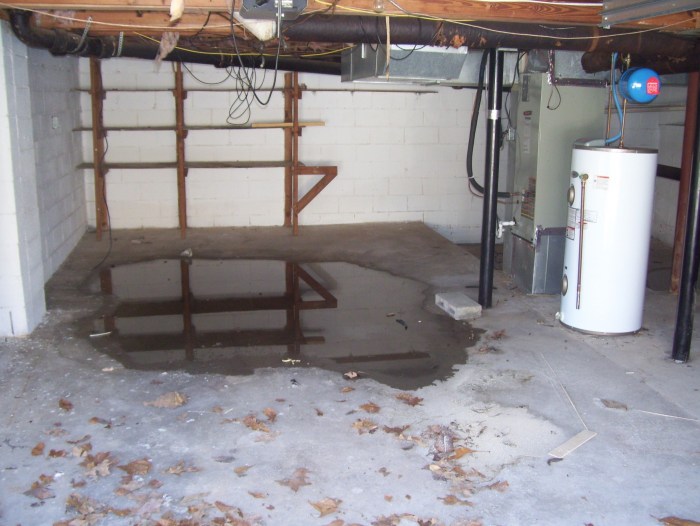
Basements are often susceptible to moisture due to their location below ground level. Understanding the factors that contribute to moisture build-up is crucial for maintaining a healthy home environment. Moisture in basements can be caused by several factors, including poor drainage, high groundwater levels, and inadequate ventilation. During rainy seasons or after heavy snowfall, water can seep into the basement through cracks in the foundation or walls.
Additionally, humidity in the air can lead to condensation on cold surfaces, further contributing to moisture issues.Signs of moisture problems in a basement may include visible water stains, mold growth, a musty odor, and peeling paint. Homeowners should be vigilant about these indicators as they can signal underlying issues that may worsen over time.Humidity levels play a significant role in the overall environment of a basement.
High humidity can lead to mold growth, wood rot, and deterioration of stored items, making it an area that requires regular monitoring and intervention.
Importance of Basement Moisture Inspection
Regular moisture inspections are vital for homeowners to prevent extensive damage and costly repairs. Ignoring moisture issues can lead to serious structural problems, mold infestations, and health risks for the occupants.Neglecting moisture inspections can result in:
- Structural damage to the foundation and walls.
- Mold growth that can cause respiratory issues.
- Increased energy costs due to inefficient heating and cooling.
To perform a thorough moisture inspection in a basement, homeowners can follow this checklist:
- Check for water stains on walls and floors.
- Inspect for mold or mildew, especially in corners and hidden areas.
- Evaluate the effectiveness of your drainage systems.
- Assess humidity levels with a hygrometer.
Methods for Conducting a Basement Moisture Inspection
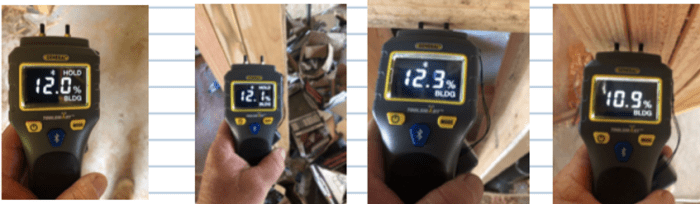
Inspecting a basement for moisture requires a systematic approach. Begin by examining the walls and floors for visible signs of dampness. Look for cracks or holes that may allow water to enter. To detect hidden moisture behind walls, consider using a moisture meter or infrared camera. These tools can indicate areas where moisture may be trapped, prompting further investigation.Essential tools for effective inspections include:
- Moisture meter
- Infrared camera
- Hygrometer
- Flashlight
- Protective gloves and mask
Home Improvement Strategies for Moisture Control
Incorporating home improvement appliances can significantly reduce basement humidity levels. A dehumidifier can be particularly effective in maintaining optimal moisture levels, especially in humid climates.Cleaning and maintenance are essential for a dry basement. Regularly check sump pumps, clear gutters, and ensure that downspouts direct water away from the foundation. Sealing basement windows and doors can also prevent moisture intrusion. Use weather stripping and caulk to close any gaps, ensuring a tight seal.
Remodeling Ideas to Manage Basement Moisture
When remodeling a basement, waterproofing should be a primary focus. Consider using waterproof paint and sealants on the walls and floors to create a barrier against moisture ingress.Choosing suitable flooring is crucial in moisture-prone areas. Options like vinyl, ceramic tile, and sealed concrete are ideal, as they resist water damage more effectively than traditional carpet.Incorporating Feng Shui principles into basement design can create a harmonious environment.
Use light colors to enhance brightness and introduce plants that thrive in low light to improve air quality.
Long-term Solutions for Moisture Problems
Installing proper drainage systems is a long-term solution to combat moisture issues. French drains, sump pumps, and trench drains can efficiently redirect water away from the foundation.Ventilation solutions, such as exhaust fans or air exchange systems, can help regulate airflow and reduce humidity levels in the basement.Dehumidifiers and moisture control appliances offer benefits such as reducing mold growth and improving overall air quality.
These devices are essential for maintaining a comfortable living space.
Connection to Overall Home Inspections
Basement moisture issues are crucial to consider during broader home inspections. They can indicate potential problems that may affect the entire structure of the home.Including moisture inspections in regular home evaluations can help identify and address issues early, preventing costly repairs down the line.A comparison of moisture inspection versus general home inspection reveals that while general inspections cover a range of issues, moisture inspections focus specifically on the conditions that lead to mold growth and structural damage.
Preventative Measures for Homeowners
Homeowners can take proactive steps to prevent moisture issues in their basements. Regularly inspecting and maintaining gutters and downspouts can help direct water away from the foundation.Landscaping is another effective measure; homeowners should ensure that the ground slopes away from the house to prevent water accumulation near the foundation. Implementing these preventative strategies will significantly reduce the risk of moisture problems.
Impact on Home Improvement Projects
Moisture can have significant implications on home improvement projects. It can lead to delays, increased costs, and complications with materials that are not moisture-resistant.When planning remodeling projects, homeowners should factor in moisture control measures as part of their budget and timeline. Ignoring moisture concerns can derail plans and affect overall project success.Integrating moisture control into new house plans is vital for long-term sustainability.
This includes selecting appropriate materials and designing efficient drainage systems from the start.
Resources and Expert Consultation
Homeowners should know when to consult a professional for moisture issues. If signs of severe water damage, mold growth, or persistent humidity are present, seeking expert advice is essential.There are numerous resources available for homeowners looking to educate themselves further about basement moisture management. Local home improvement stores often provide workshops and literature on best practices.Choosing reputable contractors for basement waterproofing requires research.
Homeowners should look for licensed professionals with positive reviews and a proven track record in moisture control solutions.
Final Wrap-Up
In summary, regular Basement moisture inspection is a crucial aspect of home maintenance that shouldn’t be overlooked. By implementing preventative measures and understanding the intricacies of moisture control, homeowners can protect their investment and maintain a comfortable living environment.
Top FAQs
What causes moisture buildup in basements?
Moisture can accumulate due to poor drainage, high humidity, leaks, or groundwater seeping through walls.
How can I tell if my basement has moisture issues?
Look for signs like damp spots, mold growth, a musty smell, or condensation on windows and walls.
Is a one-time inspection enough for my basement?
No, regular inspections are recommended to catch any developing problems early and maintain a dry environment.
What tools do I need for a basement moisture inspection?
A moisture meter, flashlight, and a level are essential tools for detecting moisture levels and ensuring proper drainage.
Can I handle a moisture inspection myself?
Yes, homeowners can conduct basic inspections, but consulting a professional is advisable for comprehensive evaluations.