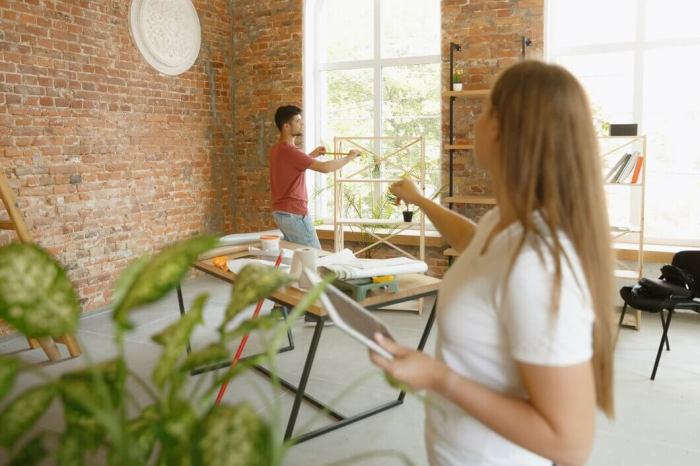
Eco-friendly remodeling materials set the stage for this enthralling narrative, offering readers a glimpse into a story that is rich in detail and brimming with originality from the outset. In today’s world, where environmental concerns are at the forefront, the choice of materials during home renovation has never been more critical. From sustainable woods to recycled fixtures, eco-friendly options not only reduce our carbon footprint but also enhance the aesthetic and value of our homes.
Using eco-friendly materials in remodeling projects can lead to significant energy savings, improved indoor air quality, and a healthier living environment. This approach not only benefits homeowners but also contributes positively to the planet, making it imperative to explore the vast array of sustainable materials available for every aspect of home renovation.
Eco-Friendly Remodeling Materials Overview
Eco-friendly remodeling materials refer to sustainable and environmentally responsible products utilized in home renovation projects. In today’s era of heightened environmental awareness, the importance of these materials cannot be overstated. They not only minimize the ecological footprint of home improvements but also promote healthier living environments for occupants.Using sustainable materials in remodeling projects comes with a plethora of benefits. These materials often reduce waste, conserve energy, and enhance indoor air quality, contributing to overall well-being.
Additionally, eco-friendly options can lead to long-term cost savings due to their durability and energy efficiency.Some of the most popular eco-friendly materials used in home renovations include bamboo flooring, recycled glass countertops, reclaimed wood, and low-VOC (volatile organic compounds) paints. These materials not only meet sustainability goals but also offer aesthetic appeal and unique characteristics, making them desirable for modern home design.
Home Improvement Appliances
Energy-efficient appliances play a crucial role in complementing eco-friendly remodeling efforts. These appliances, designed to consume less electricity and water, contribute significantly to reducing utility bills and carbon footprints in homes. When upgrading kitchens and bathrooms, it’s essential to select appliances that align with sustainability goals.To choose sustainable appliances, look for energy star ratings, which indicate higher efficiency. It’s also beneficial to consider water-saving features in dishwashers and washing machines.
Brands that prioritize sustainable manufacturing practices can also contribute to a greener home.Examples of eco-labels to look for when selecting appliances include Energy Star, WaterSense, and Green Seal. These certifications ensure that the products meet stringent environmental standards, making it easier for homeowners to make informed decisions.
Bath and Shower
When it comes to bathtubs and showers, eco-friendly options abound. Materials such as recycled acrylic and natural stone are popular choices, combining durability with a lower environmental impact. Additionally, fixtures designed for water conservation, such as low-flow showerheads and faucets, can significantly reduce water usage.Investing in water-saving showerheads and faucets not only contributes to environmental conservation but also offers the added benefit of reducing water bills.
Many modern designs provide pressure balance, ensuring a comfortable shower experience without excessive water consumption.Using recycled materials in bathroom renovations is another effective way to enhance sustainability. Recycled tiles and countertops not only showcase unique aesthetics but also divert waste from landfills, highlighting the importance of circular economy practices in home design.
Home Improvement Cabinets
Sustainable wood options for kitchen and bathroom cabinets include reclaimed wood and certified sustainable timber. These materials are not only eco-friendly but also add character to spaces with their unique finishes and historical stories.The advantages of using cabinets made from recycled materials extend beyond environmental benefits. They often come with lower costs and unique designs, appealing to homeowners who seek originality.
Eco-friendly finishes and paints, such as water-based or low-VOC options, ensure that cabinetry does not contribute to indoor air pollution.
Cleaning Tips and Tools
Maintaining a clean and eco-friendly environment in remodeled spaces is crucial. Eco-friendly cleaning products, often biodegradable, are suitable for various surfaces while minimizing environmental harm. Common ingredients like vinegar and baking soda can effectively clean without harsh chemicals.Using biodegradable cleaning tools, such as bamboo brushes and recycled cloths, further reduces waste. These tools are not only effective but also contribute to a sustainable lifestyle.Techniques for maintaining eco-friendly surfaces include regular dusting to reduce allergens and using pH-balanced cleaners that do not harm natural finishes.
This helps preserve the longevity and appearance of eco-friendly materials used in home renovations.
Home Improvement Concrete
Recycled concrete is an excellent choice for remodeling projects, offering both durability and reduced environmental impact. Utilizing materials that divert waste from landfills, recycled concrete provides a sustainable option for various applications, from driveways to decorative features.Alternatives to traditional concrete, such as pervious concrete and concrete mixed with recycled aggregates, help in reducing the overall carbon footprint of construction projects.
These materials allow for better water drainage, contributing to sustainable landscaping practices.Incorporating eco-friendly concrete in home designs can also enhance aesthetics. Decorative concrete treatments, such as stains and engravings, allow for creative expression while maintaining sustainability.
Feng Shui and Eco-Friendliness
Eco-friendly materials can significantly enhance Feng Shui principles in home design. The use of natural materials promotes balance and harmony within spaces, aligning with the fundamental teachings of Feng Shui.Natural elements such as wood, stone, and water not only improve the aesthetic appeal of a home but also foster a connection with nature. This connection is essential for creating a calming and peaceful environment.Harmonizing eco-friendly choices with Feng Shui concepts involves selecting materials that promote energy flow and balance.
For instance, using natural fibers for textiles and ensuring adequate natural light can enhance both sustainability and Feng Shui.
Home Improvement Flooring
Sustainable flooring options such as bamboo and reclaimed wood are increasingly popular in eco-friendly renovations. Bamboo grows rapidly and is highly renewable, while reclaimed wood gives a second life to materials that would otherwise go to waste.Eco-friendly tiles made from recycled materials are another excellent choice. These tiles not only reduce resource consumption but also offer various styles and designs, appealing to diverse tastes.The importance of low-VOC finishes for flooring materials cannot be understated.
These finishes contribute to better indoor air quality, ensuring homes remain healthy spaces for occupants.
Home Improvement Furniture
When selecting furniture for eco-friendly homes, choices made from sustainable materials such as bamboo, reclaimed wood, or certified sustainable forestry products are ideal. These materials are not only environmentally friendly but also provide unique character and durability.Upcycled and reclaimed furniture pieces add a distinctive touch to home decor while supporting sustainability. This approach minimizes waste and often results in one-of-a-kind items that tell a story.When it comes to upholstery and finishes, opting for natural fabrics such as organic cotton or linen reduces exposure to harmful chemicals.
Choosing eco-friendly options ensures that aesthetics and sustainability can coexist beautifully.
Green Living Integration
Eco-friendly remodeling contributes significantly to a sustainable lifestyle by reducing overall consumption and waste. Implementing features like energy-efficient appliances and sustainable materials creates a holistic approach to living green.Indoor plants play a vital role in improving air quality and aesthetics. They not only filter toxins but also enhance the visual appeal of remodeled spaces, fostering a deeper connection with nature.Examples of eco-conscious home practices that complement remodeling include composting, rainwater harvesting, and utilizing solar energy.
These practices further support a sustainable lifestyle and enhance the benefits of eco-friendly renovations.
Home Inspections for Eco-Friendliness
During a home inspection, it’s essential to look for eco-friendly materials, such as sustainable flooring and energy-efficient appliances. Identifying these features can indicate the home’s commitment to sustainability.Common red flags that indicate non-sustainable practices in homes include the use of toxic materials, poor insulation, and outdated appliances. Recognizing these signs can help homeowners make informed decisions regarding potential renovations.A checklist for evaluating eco-friendly features in a home renovation might include assessing insulation types, checking for energy star ratings, and identifying the presence of sustainable landscaping.
This can streamline the process of enhancing a home’s sustainability.
House Plans Incorporating Eco-Friendly Materials
The importance of sustainable design in new house plans is pivotal for creating energy-efficient and environmentally responsible homes. Integrating eco-friendly materials and construction practices can significantly reduce a building’s carbon footprint.Integrating eco-friendly materials into existing house designs can be achieved through renovations that focus on energy efficiency, such as improved insulation, solar panel installations, and the use of sustainable flooring and finishes.Architectural features that enhance sustainability include passive solar design, green roofs, and natural ventilation systems.
These features not only contribute to environmental health but also enhance the comfort and functionality of living spaces.
Interior Design and Decorating
Incorporating eco-friendly materials into interior design can elevate the aesthetic while maintaining a commitment to sustainability. Utilizing natural materials, such as reclaimed wood and organic fabrics, creates inviting spaces.Color schemes that promote sustainability often include earthy tones derived from natural pigments, enhancing harmony with the environment. Design elements that focus on natural light, such as large windows and open layouts, also contribute to this ethos.Examples of eco-conscious decor items include handmade pieces from local artisans, which not only support the local economy but also reduce the carbon footprint associated with mass production and shipping.
Patio Deck Options
Eco-friendly materials for building and refinishing patios and decks include composite materials made from recycled plastics and sustainably sourced wood. These materials offer durability and aesthetics, ideal for outdoor living spaces.The benefits of using composite materials include lower maintenance costs and resistance to weathering, making them a long-lasting choice for outdoor applications.Maintenance tips for keeping outdoor spaces environmentally friendly include using eco-friendly stains and sealants, as well as regular cleaning with biodegradable products.
This ensures that patios and decks remain beautiful and sustainable over time.
Home Improvement Remodeling Techniques
Green building practices that enhance eco-friendly remodeling focus on reducing resource consumption and waste generation. Techniques such as modular construction and efficient material usage can significantly lower the environmental impact of renovations.Methods for reducing waste during renovations include deconstruction instead of demolition, which salvages materials for reuse. This not only limits waste but also supports sustainable practices by providing materials for other projects.Innovative remodeling approaches that prioritize sustainability encompass the integration of smart home technology, energy-efficient systems, and the use of renewable materials.
Such innovations contribute to a more sustainable living environment.
Home Improvement Roofing
Eco-friendly roofing materials, such as metal roofs, clay tiles, and green roofs, provide effective solutions for energy efficiency and sustainability. These materials often have longer lifespans than traditional roofing and require less maintenance.Solar panels are a valuable addition to roofing systems, enabling homeowners to harness renewable energy. This integration not only reduces reliance on fossil fuels but also offers potential savings on energy costs.Selecting roofing options that enhance energy efficiency, such as those with high thermal performance and reflective surfaces, can significantly improve a home’s overall energy efficiency and comfort.
Home Improvement Security
Eco-friendly security solutions include solar-powered lights and alarm systems that reduce electricity consumption. These options offer reliable security while minimizing environmental impact.Sustainable materials used in security installations can include recycled metals and responsibly sourced wood, which align with eco-friendly practices in home improvement.Eco-friendly designs can enhance home safety by incorporating natural surveillance methods, such as strategic landscaping that improves visibility and discourages trespassers while promoting biodiversity.
Storage Garage Solutions
Sustainable storage solutions for garages that reduce clutter often incorporate reclaimed wood and other eco-friendly materials. These solutions not only enhance organization but also support ecological practices.Eco-friendly materials for garage organization systems, such as recycled plastic bins and bamboo shelves, provide functionality while minimizing environmental impact.Incorporating recycling and composting systems in garages can further promote sustainability, allowing homeowners to manage waste effectively and contribute to a greener lifestyle.
Swimming Pools and Spas
Eco-friendly pool and spa materials, such as natural liners and energy-efficient systems, provide sustainable options for outdoor enjoyment. These features can significantly reduce water and energy consumption.Natural pools that utilize biological filtration instead of traditional chlorination systems offer benefits such as clearer water and reduced chemical exposure. This approach enhances the overall experience while maintaining environmental integrity.Maintenance tips for keeping pools environmentally friendly include regular water testing and the use of eco-friendly cleaning products.
This ensures that pools remain safe and enjoyable while minimizing ecological impact.
Tools and Equipment for Eco-Friendly Remodeling
Essential tools for sustainable remodeling projects include energy-efficient equipment, such as corded electric tools and solar-powered devices, which reduce the carbon footprint of renovation efforts.Investing in energy-efficient equipment options minimizes energy consumption during renovations. This not only benefits the environment but also lowers operational costs over time.Maintaining tools to minimize environmental impact involves regular servicing and proper storage to prolong their lifespan.
This practice aligns with sustainable principles by reducing waste and resource consumption.
Closure
In conclusion, embracing eco-friendly remodeling materials is not just a trend but a vital part of creating a sustainable future. By making informed choices, homeowners can enhance their living spaces while promoting environmental responsibility. As we look towards a greener tomorrow, let’s continue to prioritize sustainability in every renovation project, ensuring that our homes reflect both our style and our commitment to the planet.
Essential Questionnaire
What are eco-friendly remodeling materials?
Eco-friendly remodeling materials are products that are sourced or manufactured in a way that is sustainable, reducing environmental impact and promoting health.
Why should I choose eco-friendly materials for remodeling?
Choosing eco-friendly materials can lower energy costs, improve indoor air quality, and contribute to overall sustainability.
Are eco-friendly materials more expensive than traditional ones?
While some eco-friendly materials may have a higher upfront cost, they often lead to long-term savings through energy efficiency and durability.
How can I find eco-friendly materials for my project?
Look for local suppliers that specialize in sustainable products, and check for certifications such as FSC, Energy Star, or other eco-labels.
Can I incorporate eco-friendly practices in my existing home?
Absolutely! You can start by upgrading appliances, using sustainable cleaning products, and incorporating indoor plants to enhance air quality.