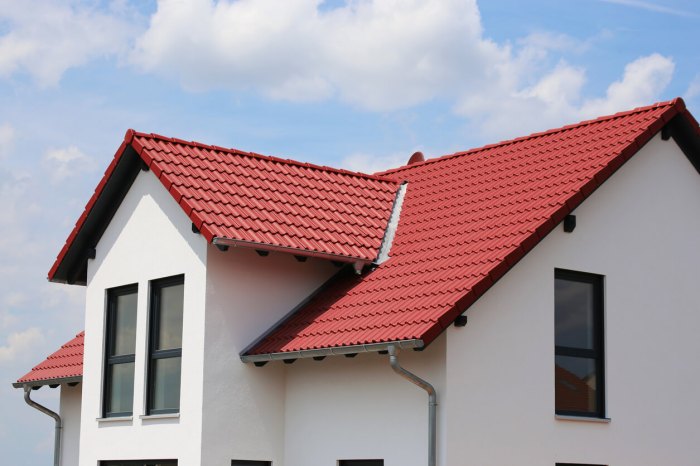
Roof pitch aesthetic accents play a crucial role in enhancing the visual appeal of a home, seamlessly blending functionality with style. From the classic charm of steep gables to the sleek lines of modern designs, the pitch of a roof can dramatically influence both the exterior and interior aesthetics of a property.
This discussion explores various roof pitch types, their significance in architectural design, and how they contribute to curb appeal. By understanding these elements, homeowners can make informed choices that elevate their home’s overall aesthetic while ensuring its practicality and comfort.
Roof Pitch Overview
Roof pitch, often referred to as the steepness or angle of a roof, plays a critical role in architectural design. It not only influences the aesthetic appeal of a building but also impacts functionality, drainage, and energy efficiency. Understanding the various types of roof pitches can significantly enhance the overall visual character of a home.Roof pitches are categorized into several types, including flat, low-slope, and steep pitches.
Each type expresses distinct aesthetic qualities. For instance, a steep pitch often conveys a traditional, stately appearance, while a low-slope roof might suggest a more modern or minimalist style. The pitch of a roof contributes crucially to the overall aesthetics of a home, affecting its silhouette and how it interacts with surrounding elements.
Types of Roof Pitches
The classification of roof pitches can be broken down into three main types:
- Flat Roof: Characterized by almost no slope, flat roofs offer a sleek, modern look but may require additional waterproofing measures.
- Low-Slope Roof: These roofs have a slight pitch, providing both a contemporary feel and practical benefits like easier maintenance.
- Steep Pitch Roof: With a noticeable incline, steep roofs not only enhance traditional aesthetics but also facilitate better water drainage.
Aesthetic Accents of Roof Pitch
The roof pitch significantly enhances exterior aesthetics and curb appeal. A well-designed roof complements the overall architecture of the home and can set it apart in the neighborhood. The integration of different roofing materials can further enhance the visual impact of varying pitches.Different roofing materials can greatly influence how a specific roof pitch is perceived. For example, wood shingles often suit steep roofs, emphasizing their height, while metal roofing can add a sleek finish to both low-slope and flat roofs.
When it comes to architectural styles, traditional homes benefit from steep pitches, while contemporary designs often favor low-slope roofs, showcasing clean lines and minimalist aesthetics.
Complementary Roofing Materials
Choosing the right roofing material for a specific pitch can enhance both durability and aesthetics. Here are some popular options:
- Asphalt Shingles: Versatile for various pitches, they are affordable and available in a wide array of colors.
- Metal Roofing: Suitable for low-slope and steep roofs, metal offers durability and modern appeal.
- Slate Tiles: Ideal for steep pitches, slate adds timeless elegance but requires a strong structural support due to its weight.
Home Improvement and Roof Pitch
Roof pitch is an essential factor in home improvement projects, as it can significantly affect both structural integrity and aesthetic outcomes. Evaluating roof pitch before any remodeling is crucial to ensure that new additions harmonize with existing architecture.When considering remodeling, homeowners should assess the pitch to determine the feasibility of their design ideas. For instance, adding dormers can enhance functionality and aesthetics, but they must align with the existing roof pitch.
Successful renovations often showcase how well the new elements blend with the original structure while respecting the pitch.
Evaluating Roof Pitch
Before undertaking home improvement projects, evaluating the roof pitch is vital. Here are a few tips:
- Measure the angle using a simple tool like a pitch gauge.
- Consult with an architect or contractor to determine compatibility with design plans.
- Consider how the new design will affect drainage and ventilation.
Home Improvement Appliances and Roof Pitch
Appliances can influence roof design significantly, especially in home improvement projects. Certain installations may require specific roof pitch considerations, particularly for ventilation systems and exhausts.Appliances such as skylights and chimneys necessitate careful planning to ensure they fit well with the roof’s pitch while maintaining aesthetic appeal. Additionally, ventilation systems must be designed to complement the slope of the roof, facilitating proper air circulation without compromising the visual integrity.
Ventilation Systems and Aesthetics
The relationship between roof pitch and ventilation systems is critical for both functionality and aesthetics. Proper ventilation not only enhances energy efficiency but also contributes to the longevity of roofing materials. Here are considerations to keep in mind:
- Ensure adequate vent placement that aligns with the roof’s angles.
- Choose vent designs that harmonize with the overall architectural style.
- Utilize high-quality materials that withstand the elements while looking good.
Interior Design and Roof Pitch
The roof pitch also affects interior space and design. Sloped ceilings can create unique spatial dynamics, offering opportunities for creative decor approaches. Utilizing these angles effectively can enhance the overall aesthetic of a room.For instance, sloped ceilings can be decorated with hanging light fixtures that draw the eye upward, creating a sense of height. Additionally, color schemes that complement the angles created by different roof pitches can visually enrich a space, making it feel more inviting.
Utilizing Sloped Ceilings in Decor
Here are some ways to creatively utilize sloped ceilings in interior design:
- Lighting Fixtures: Hang pendant lights or chandeliers to accentuate the height and slope.
- Wall Colors: Use lighter shades to make the area feel more spacious and airy.
- Artwork Placement: Position art pieces at different heights to create visual interest.
Feng Shui Principles and Roof Pitch
Incorporating Feng Shui principles can enhance the harmony of a home, and roof pitch plays a significant role in this alignment. Certain configurations promote positive energy flow, which can lead to a more balanced living environment.For example, a gently sloping roof is often considered beneficial, as it allows energy to flow smoothly. Adjustments to roof pitch can enhance these principles, ensuring that the home resonates with positive energy.
Positive Energy Flow and Roof Configuration
To align roof pitch with Feng Shui principles, consider the following configurations:
- Opt for gentle slopes to facilitate smooth energy flow.
- Avoid abrupt angles that can create stagnant energy.
- Incorporate elements like plants that complement the home’s angles to foster a positive atmosphere.
Home Improvement Roofing Techniques
The evolution of roofing techniques has led to a comparison between traditional and modern styles regarding pitch. Each method offers unique benefits, from aesthetics to functionality.Maintaining the aesthetic accents of pitched roofs requires regular maintenance. Homeowners should prioritize inspections and cleaning to prevent damage and preserve visual appeal. Selecting the right roofing materials is also essential, as it should be suited for the specific pitch to ensure longevity and style.
Maintenance Tips for Pitched Roofs
Here are some best practices for maintaining the aesthetic accents of pitched roofs:
- Schedule regular inspections to identify potential issues early.
- Keep gutters clean to prevent water damage.
- Choose durable materials that withstand weather conditions without fading.
Home Inspections and Roof Pitch
During home inspections, roof pitch evaluation is crucial for assessing the property’s overall condition. Inspectors often look for common issues associated with different pitches, which can indicate potential maintenance needs.Homebuyers should be aware of how roof pitch affects both structural integrity and aesthetic appeal. Understanding these factors will enable informed decisions when viewing potential properties.
Common Roof Pitch Issues
Here are some common issues found during inspections related to roof pitch:
- Ponding water on low-slope roofs leading to leaks.
- Cracked shingles on steep pitches due to expansion and contraction.
- Improper venting causing moisture build-up in the attic.
Patio Deck and Roof Pitch
The influence of roof pitch extends to outdoor spaces, such as patios and decks. A well-designed roof enhances these areas, offering protection while maintaining aesthetic coherence.Design ideas that harmonize patio decks with pitched roofs can create a seamless transition between indoor and outdoor spaces. Choosing outdoor furniture that complements the roof pitch can further enhance the overall look and feel.
Design Ideas for Patios and Decks
To create a cohesive design between patio decks and pitched roofs, consider these ideas:
- Use similar materials for decking that echo the roofing materials.
- Incorporate overhead structures or pergolas that reflect the roof’s angles.
- Select furniture styles that match the home’s architectural theme.
Green Living and Roof Pitch
Roof pitch can significantly affect energy efficiency in homes. A well-designed pitch can enhance natural ventilation and reduce cooling costs, contributing to sustainable living.Sustainable roofing materials align with aesthetic goals while promoting energy efficiency. The connection between roof pitch and rainwater harvesting systems can also be a consideration for eco-conscious homeowners.
Sustainable Roofing Materials
Here are some sustainable roofing materials that align with aesthetic goals:
- Green Roofing: Living roofs that provide insulation and reduce heat absorption.
- Recycled Materials: Roofing made from recycled content that reduces waste.
- Cool Roofing: Reflective materials that decrease energy costs by keeping homes cooler.
Tools and Equipment for Roof Pitch Projects
Assessing and adjusting roof pitch requires specific tools and safety equipment. Homeowners engaging in roof projects should be equipped with the right instruments to ensure accuracy and safety.Measuring roof pitch accurately involves specific steps that can guide effective adjustments. Safety equipment is essential for protecting individuals working on pitched roofs.
Measuring Roof Pitch Accurately
Here are the necessary tools and steps for measuring roof pitch:
- Tools Required: Pitch gauge, level, measuring tape, and safety harness.
- Step-by-Step Guide: Start by finding a point on the roof and measuring the rise over a specific run to determine the pitch ratio.
- Safety Equipment: Always wear a safety harness and ensure a secure ladder setup.
Home Improvement Windows and Roof Pitch
The relationship between roof pitch and window placement is significant in home design. Windows must be strategically placed to not only enhance aesthetics but also maximize natural light and energy efficiency.Styles of windows that complement pitched roofs can elevate the overall design. Choosing window treatments for sloped ceilings requires thoughtful consideration to maintain the cohesive look of the space.
Window Styles for Pitched Roofs
To enhance the aesthetics of pitched roofs, consider these window styles:
- Awning Windows: Perfect for utilizing sloped ceilings while allowing ventilation.
- Skylights: Ideal for brightening up spaces under pitched roofs.
- Arched or Circular Windows: Adding an elegant touch that reflects the angles of the roof.
Wrap-Up
In summary, roof pitch aesthetic accents are not just about visual appeal; they encompass various aspects of design, functionality, and energy efficiency. By incorporating the right pitch and materials, homeowners can create spaces that are both beautiful and harmonious, showcasing a unique character that resonates throughout their property.
FAQ Resource
What is roof pitch?
Roof pitch refers to the steepness or angle of a roof, typically defined as the ratio of vertical rise to horizontal run.
How does roof pitch affect energy efficiency?
A steeper roof pitch can improve ventilation and reduce heat buildup, contributing to better energy efficiency in homes.
Can I change my roof pitch during renovations?
Yes, changing the roof pitch is possible during renovations, but it requires careful planning and consideration of structural integrity.
What roofing materials work best with specific pitches?
Different materials, like shingles for steep pitches and metal for low slopes, can enhance the aesthetics and functionality of various roof designs.
How do I choose the right roof pitch for my home?
Consider factors such as local climate, architectural style, and personal preference when selecting the ideal roof pitch for your home.