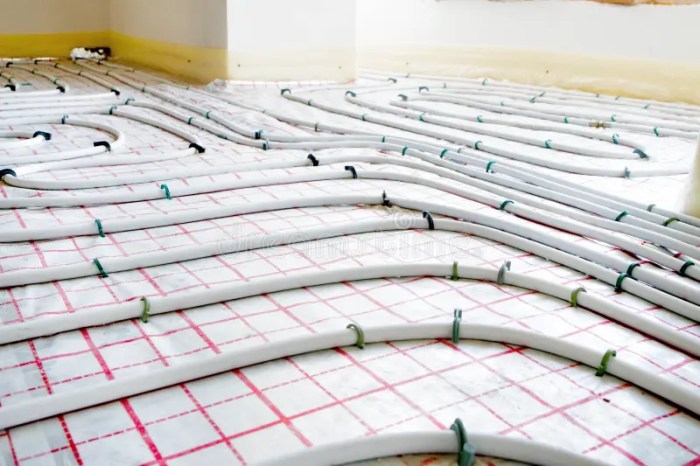
Underfloor heating systems offer a modern approach to keeping your home cozy and warm, turning cold floors into inviting spaces. By distributing heat evenly across the floor, these systems not only enhance comfort but also improve energy efficiency, making them a popular choice for homeowners.
Whether you’re considering a renovation or building from scratch, understanding the various underfloor heating options available can help you make informed decisions that complement your home’s design and your lifestyle needs.
Introduction to Underfloor Heating Systems
Underfloor heating systems represent a modern approach to heating residential spaces, providing warmth underfoot and creating a comfortable environment throughout the home. This innovative system operates by circulating warm water or electric heating mats beneath the floor surface, delivering heat evenly across the room. The benefits of underfloor heating are numerous, including increased comfort, energy efficiency, and the elimination of bulky radiators.When considering underfloor heating, homeowners can choose from several types of systems, including wet (hydronic) and dry (electric) installations.
Wet systems involve pipes that carry warm water, while dry systems utilize electric cables or mats. Each type offers its own set of advantages, making it essential for homeowners to evaluate their specific needs and preferences.
Home Improvement Integration
Integrating underfloor heating systems into existing home improvement projects can significantly enhance the overall comfort and appeal of a space. Whether renovating a kitchen, adding an extension, or remodeling a bathroom, underfloor heating can be seamlessly incorporated.
- Incorporate underfloor heating into bathroom remodels for an inviting, warm experience during colder months.
- Consider compatibility with various flooring options such as tiles, laminate, or hardwood, ensuring that chosen materials can effectively conduct heat.
- Evaluate existing heating systems to ensure a cohesive and efficient heating strategy throughout the home.
Installation Process
Installing an underfloor heating system requires careful planning and execution to ensure optimal performance. Here’s a step-by-step guide to the installation process:
- Assess the space and determine the type of system suitable for your needs.
- Prepare the subfloor by ensuring it is clean, dry, and free of any debris.
- Install insulation boards to minimize heat loss and enhance system efficiency.
- Lay the heating cables or pipes according to the chosen system layout.
- Connect the system to the thermostat and power supply.
- Cover the system with the flooring material of choice.
The tools needed for a successful installation include a tape measure, utility knife, screwdriver, and a pipe cutter for wet systems. Common challenges during installation may involve miscalculating the layout or dealing with uneven floors, but careful planning and following manufacturer instructions can mitigate these issues.
Maintenance and Care
To ensure the longevity of underfloor heating systems, regular maintenance is essential. Homeowners should inspect the system periodically for any signs of wear or malfunction.
- Routine checks should include inspecting the thermostat functionality and ensuring there are no obstructions on the floor surface.
- Cleaning the system involves gentle vacuuming of the flooring surface and avoiding harsh chemicals that can damage heating elements.
- Common issues may include uneven heating or system failure, which can often be resolved by checking connections or consulting a professional technician.
Energy Efficiency
Underfloor heating systems are known for their energy efficiency compared to traditional heating methods such as radiators. They operate at lower temperatures while providing consistent heat distribution, which can reduce energy consumption.
| Heating Method | Energy Efficiency Rating |
|---|---|
| Underfloor Heating | Up to 30% more efficient |
| Traditional Radiators | Less efficient |
This enhanced efficiency not only lowers energy bills but also contributes positively to green living initiatives, making underfloor heating a forward-thinking choice for modern homeowners.
Design Considerations
When integrating underfloor heating, it’s crucial to consider the design aspects that align with your interior style. Planning for underfloor heating in your house designs involves accounting for flooring choices and the overall layout.
- Consider how underfloor heating can complement various interior design themes, from contemporary to rustic.
- Include underfloor heating in your architectural plans, ensuring proper placement and insulation are accounted for.
- Utilize principles of feng shui by positioning heating elements to promote harmony and balance in living spaces.
Cost and Budgeting
Understanding the costs associated with installing underfloor heating systems is vital for effective budgeting. The expenses can vary based on system type and the size of the area being heated.
| Cost Element | Estimated Cost ($) |
|---|---|
| Materials | 1,000 – 2,500 |
| Installation Labor | 500 – 1,500 |
| Total Estimated Cost | 1,500 – 4,000 |
In the long run, homeowners can save on energy bills, making underfloor heating a cost-effective option. Additionally, financing options may be available for those looking to enhance their home with this technology.
Safety and Compliance
Safety is paramount when installing underfloor heating systems. Homeowners should adhere to specific safety considerations to ensure a successful installation.
- Ensure that all electrical connections are installed by a qualified electrician to avoid hazards.
- Familiarize yourself with local building codes and regulations that apply to underfloor heating systems.
- Conduct thorough home inspections post-installation to verify compliance and safety standards.
Conclusion and Future Trends
The technology behind underfloor heating systems is continually evolving, offering enhanced efficiency and user-friendly features. As homeowners increasingly prioritize comfort and sustainability, underfloor heating is likely to become a standard in residential heating solutions. Future trends may see further advancements in smart home integration, allowing for greater control and efficiency in home heating systems.
Epilogue
In conclusion, underfloor heating systems represent a significant advancement in home heating technology, blending comfort, efficiency, and aesthetics. As trends shift towards more sustainable living solutions, these systems are likely to play a pivotal role in the future of residential heating, making them an investment worth considering.
Clarifying Questions
What are the main types of underfloor heating systems?
The main types include electric systems and water-based (hydronic) systems, each with its own advantages depending on installation and heating preferences.
Can underfloor heating be installed in existing homes?
Yes, underfloor heating can be retrofitted into existing homes, often during renovations or remodeling projects.
How long does it take to install underfloor heating?
The installation time varies, but it typically takes a few days depending on the system type and the complexity of the installation.
Is underfloor heating safe for pets?
Yes, underfloor heating systems are safe for pets, providing a comfortable environment without hot spots that can be harmful.
What kind of flooring can be used with underfloor heating?
Various floor types are compatible, including tile, stone, and certain engineered woods, but it’s essential to choose materials that conduct heat well.