Upcycled home décor ideas bring creativity and sustainability to your living space, transforming unwanted items into stunning pieces that reflect your personal style. With innovative techniques and a dash of imagination, everyday objects can find new life, making your home not only beautiful but also eco-friendly.
This guide will explore various upcycling techniques, from refurbishing old furniture to integrating unique materials into your décor. Whether you’re looking to enhance your bathroom with stylish storage solutions or create a cozy outdoor patio, there are endless possibilities to revamp your home sustainably.
Upcycled Home Décor Ideas
Upcycling has become a popular trend in home décor, allowing homeowners to transform old and unused items into stunning pieces that not only look great but also contribute to sustainability. This section dives into innovative techniques to upcycle furniture, common household items that can be repurposed, and creative ways to incorporate these materials into your home décor.
Innovative Upcycling Techniques
Transforming old furniture into eye-catching décor pieces is easier than you might think. Here are some techniques to consider:
- Painting and Staining: Refresh old wooden furniture with a new coat of paint or stain to give it a modern look.
- Reupholstering: Change the fabric on chairs and sofas to match your current style. This can breathe new life into dated pieces.
- Repurposing: Use old doors as tabletops, or convert vintage suitcases into stylish storage solutions.
Common Household Items for Upcycling
Many common household items can be upcycled for home décor. Here’s a list to inspire you:
- Glass jars can become decorative vases or candle holders.
- Old picture frames can be painted and used as wall art.
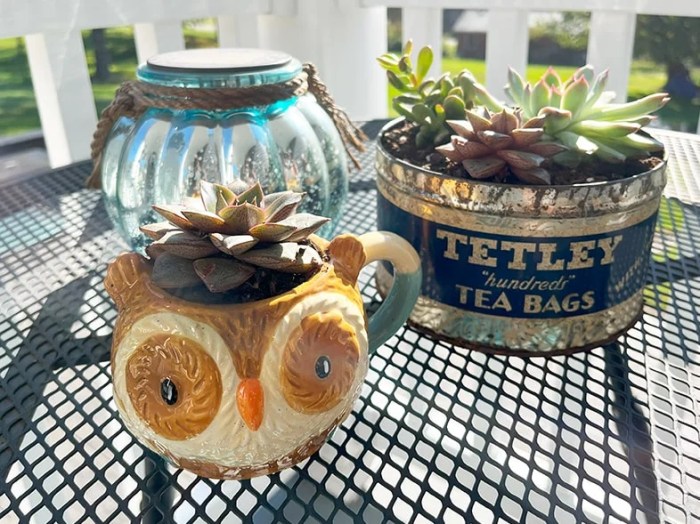
- Tin cans can be transformed into planters or desk organizers.
Creative Incorporation of Upcycled Materials
Integrating upcycled materials into your home décor theme can add character and sustainability. Consider the following approaches:
- Create a gallery wall featuring art made from repurposed materials.
- Use upcycled textiles like old quilts or fabric scraps for throw pillows or wall hangings.
- Incorporate furniture pieces with a story, such as a coffee table made from reclaimed wood.
Home Improvement Appliances
Upcycling doesn’t just apply to furniture and décor; it can also extend to appliances. This section explores how upcycled appliances can be creatively repurposed for home improvement projects, the benefits of choosing upcycled appliances, and a guide on refurbishing them.
Repurposing Upcycled Appliances
Many appliances can find new life in home improvement projects. Here are some ideas:
- Old refrigerators can be converted into outdoor storage or bar units.
- Dishwashers can be transformed into planters for a unique garden feature.
- Washing machines can serve as fire pits or decorative pieces in outdoor settings.
Benefits of Upcycled Appliances
Choosing upcycled appliances over new ones contributes to sustainability. Here are some advantages:
- Reduced environmental impact by minimizing waste and resource consumption.
- Cost savings compared to purchasing new appliances.
- Unique character and charm that new appliances often lack.
Refurbishing Old Appliances
Refurbishing old appliances can enhance their aesthetic appeal and functionality. Follow these steps:
- Clean the appliance thoroughly and remove any rust or old paint.
- Apply a fresh coat of paint suitable for metal surfaces for a new look.
- Add decorative elements, such as decals or stencils, to personalize the piece.
Bath and Shower
Upcycling in the bathroom can create a functional yet stylish space. This section examines ways to upcycle materials for bathroom décor, DIY storage solutions, and integrating upcycled elements into a spa-like environment.
Upcycling for Bathroom Décor
There are numerous ways to upcycle materials for an attractive bathroom space:
- Use old wooden crates as shelving units for towels or toiletries.
- Transform glass bottles into soap dispensers or toothbrush holders.
- Repurpose an old ladder as a decorative towel rack.
DIY Storage Solutions
Creating upcycled storage solutions in the bath area is both fun and practical:
- Convert Mason jars into storage for cotton balls, swabs, and other essentials.
- Use repurposed wooden pallets to create unique shelving.
- Hang baskets made from old fabric to store bath products.
Integrating Upcycled Elements
To achieve a spa-like ambiance, consider these upcycled elements:
- Incorporate natural materials like bamboo or reclaimed wood for a serene feel.
- Utilize upcycled textiles for bath mats or curtains, adding a cozy touch.
- Use calming colors and textures to enhance the tranquility of the space.
Home Improvement Cabinets
Old cabinets can become trendy storage solutions through upcycling. This section Artikels a plan for upcycling cabinets, refining them with upcycled materials, and discussing the impact of color and texture.
Upcycling Old Cabinets
Designing a plan for upcycling cabinets can transform them into stylish fixtures:
- Assess the condition of the cabinets and decide on the necessary repairs.
- Create an open shelving design for a modern look while retaining some closed storage for functionality.
- Incorporate decorative hardware to elevate the overall appearance.
Refinishing Cabinets with Upcycled Materials
Refinishing cabinets can enhance their durability and aesthetic:
- Sand down surfaces to prepare for painting or staining.
- Use leftover paints or stains from previous projects for a cohesive look.
- Consider adding wallpaper or fabric inside cabinet doors for a pop of color.
Impact of Color and Texture
Choosing the right color and texture is crucial when upcycling cabinets:
- Select colors that complement the overall décor of your space, creating harmony.
- Mix textures by combining smooth finishes with rustic elements for depth.
- Incorporate natural materials to enhance warmth and character.
Cleaning Tips and Tools
Using upcycled materials for cleaning can be both eco-friendly and economical. This section provides cleaning tips, methods for creating effective tools, and a routine that utilizes upcycled strategies.
Eco-Friendly Cleaning Tips
Here are some eco-friendly cleaning tips using upcycled materials:
- Repurpose old t-shirts as cleaning rags for dusting and wiping surfaces.
- Use vinegar and baking soda in repurposed spray bottles for a natural cleaning solution.
- Transform egg cartons into organizers for small cleaning supplies.
Creating Effective Cleaning Tools
You can create effective cleaning tools from repurposed items:
- Make a scrub brush by attaching a sponge to an old wooden stick.
- Use an old toothbrush for cleaning hard-to-reach areas.
- Cotton cloths can be sewn into reusable mop pads for floor cleaning.
Cleaning Routine with Upcycled Strategies
Incorporating upcycled tools into your cleaning routine can enhance sustainability:
- Establish a cleaning schedule that emphasizes the use of reusable items.
- Keep a designated basket for storing upcycled cleaning supplies.
- Encourage family members to participate in using upcycled materials for cleaning tasks.
Home Improvement Concrete
Concrete is a versatile material that can be creatively upcycled for outdoor projects. This section explains how to use upcycled concrete, share techniques for decorative items, and details the combination with other materials.
Utilizing Upcycled Concrete
Upcycled concrete can be utilized for various outdoor home projects:
- Create pathways or patios using broken concrete pieces for a rustic look.
- Use old concrete blocks as garden planters or seating options.
- Form decorative borders around flower beds with cut concrete slabs.
Making Decorative Items
There are many techniques for crafting decorative items from upcycled concrete:
- Cast concrete into molds to create unique sculptures or garden ornaments.
- Paint or stain concrete pieces to enhance their aesthetic appeal.
- Combine concrete with natural elements like wood or stone for eye-catching contrasts.
Combining Materials for Home Improvement
Combining upcycled concrete with other materials can yield impressive results:
- Mix concrete with recycled glass for vibrant accent pieces.
- Pair concrete with metal elements to create modern furnishings.
- Utilize reclaimed wood as a base for concrete tabletops or benches.
Feng Shui
Feng Shui principles can enhance the ambiance of a space, including upcycled home décor. This section discusses the relationship between Feng Shui and upcycled décor, arranging items for positive energy, and the significance of colors and materials.
Principles of Feng Shui with Upcycled Décor
Incorporating upcycled home décor can align with Feng Shui principles, enhancing energy flow:
- Choose items that resonate with positive memories or experiences to evoke joy.
- Ensure upcycled pieces are in good condition to promote positive energy.
- Incorporate natural materials that harmonize with your environment.
Arranging Upcycled Items for Positive Energy
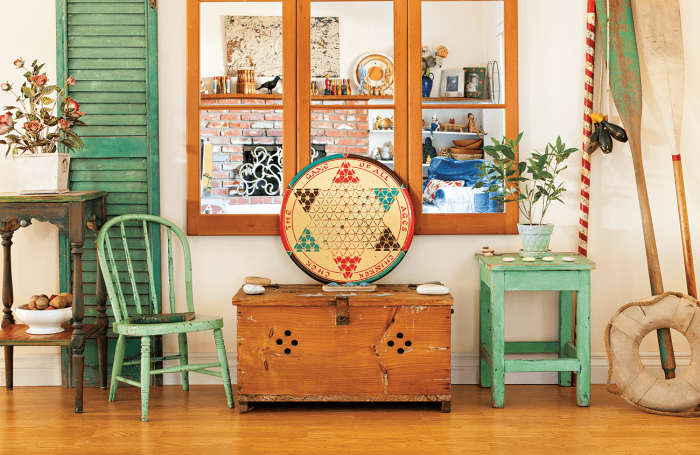
Arranging upcycled items can enhance the positive energy in a space:
- Place larger pieces in commanding positions to create a sense of stability.
- Group smaller items together to form a cohesive visual statement.
- Keep pathways clear to allow energy to flow smoothly throughout the space.
Significance of Colors and Materials
The colors and materials in upcycled décor play a vital role in Feng Shui:
- Utilize colors that promote the desired energy, such as greens for growth or blues for peace.
- Choose materials that reflect your values, like wood for stability or metal for clarity.
- Balance colors and textures to create a harmonious environment.
Home Improvement Flooring
Upcycling flooring materials can lead to sustainable and stylish outcomes. This section suggests upcycling ideas for flooring, describes the process of creating unique designs, and shares inspiring case studies.
Upcycling Ideas for Flooring Materials
Here are some creative upcycling ideas for flooring that can add character to your home:
- Repurpose old hardwood planks for a rustic floor or accent wall.
- Use leftover tiles to create a unique patterned floor design.
- Incorporate cork from repurposed wine bottles as a sustainable flooring option.
Creating Unique Flooring Designs
The process of creating unique flooring designs with upcycled materials involves:
- Planning your layout and measuring the space accurately.
- Gathering various upcycled materials that can be creatively arranged.
- Using adhesives and finishing products that are eco-friendly and durable.
Case Studies of Upcycled Flooring Projects
Successful upcycled flooring projects can inspire your own endeavors:
- A homeowner transformed an old barn’s wooden beams into a stunning floor, adding warmth to their living space.
- Another project utilized colorful tiles from a renovation to create a mosaic floor in a kitchen.
- A community center featured a floor made from repurposed pallets, showcasing creativity and resourcefulness.
Home Improvement Furniture
Upcycling old furniture into modern pieces is a rewarding endeavor. This section details the steps for upcycling furniture, innovative designs for custom furniture, and the benefits of embracing this sustainable practice.
Steps for Upcycling Old Furniture
Transforming old furniture into modern pieces can be accomplished through the following steps:
- Assess the furniture’s condition and determine necessary repairs or refinishing.
- Choose a design direction that suits your aesthetic preferences.
- Apply paint or stain and reupholster as needed to achieve the desired look.
Innovative Designs for Custom Furniture
Creating custom furniture from repurposed materials opens up endless possibilities:
- Combine old furniture parts to design a unique piece, such as a coffee table with mismatched legs.
- Incorporate reclaimed wood into new designs for a rustic charm.
- Use vintage suitcases as bases for chic nightstands or side tables.
Benefits of Upcycled Furniture
Embracing upcycled furniture has numerous benefits:
- Contributes to sustainable living by reducing waste and conserving resources.
- Offers a unique style that reflects your personality and creativity.
- Can be more affordable than purchasing new, mass-produced furniture.
Green Living
Upcycled home décor is intricately connected to green living practices. This section explains this relationship, offers tips for incorporating upcycled items into your lifestyle, and shares inspiring success stories.
Connection Between Upcycled Décor and Green Living
The relationship between upcycled home décor and green living is significant:
- Upcycling reduces landfill waste, contributing to a cleaner environment.
- It conserves resources by giving new life to existing materials.
- Promotes a lifestyle that values creativity and sustainability.
Incorporating Upcycled Items into a Sustainable Lifestyle
Incorporate upcycled items into your daily life with these tips:
- Start small by replacing single-use items with upcycled alternatives.
- Encourage friends and family to upcycle by sharing your projects and ideas.
- Participate in local upcycling workshops to learn new skills and techniques.
Success Stories of Upcycled Living
Many individuals and communities have embraced upcycled living:
- One family transformed their home using only upcycled materials, showcasing their creativity.
- A community center hosts monthly upcycling events, fostering collaboration and creativity.
- Documentaries highlight upcyclers who have built thriving businesses from repurposed items.
Home Inspections
Upcycled materials can positively impact home inspections. This section discusses the implications of using these materials, potential challenges, and tips for ensuring safety and standards are met.
Impact of Upcycled Materials on Home Inspections
Using upcycled materials can enhance the overall inspection of a home:
- Inspectors may appreciate the sustainability efforts and craftsmanship behind upcycled items.
- Unique features may increase the charm and desirability of a home.
- Properly upcycled materials can meet safety standards and regulations.
Potential Challenges with Upcycled Materials
While upcycling offers benefits, there are challenges to consider:
- Ensuring that upcycled materials meet building codes and safety standards can be complex.
- Some materials may require additional treatment or refinishing to be usable.
- Finding quality upcycled materials can sometimes be a challenge.
Ensuring Safety and Standards
To ensure upcycled projects meet safety and inspection standards:
- Consult with professionals when incorporating structural elements from upcycled materials.
- Document the sourcing and treatment of upcycled materials for transparency.
- Stay informed about local regulations related to upcycled building materials.
House Plans
Designing a home with an emphasis on upcycled materials can lead to innovative and sustainable solutions. This section creates a plan for such a design, offers examples, and discusses zoning considerations.
Designing with Upcycled Materials
Creating a house plan that emphasizes upcycled materials involves thoughtful consideration:
- Incorporate reclaimed wood for framing and flooring to add warmth and character.
- Use salvaged windows and doors to retain unique features and promote energy efficiency.
- Plan for open spaces that allow for flexible use of upcycled furniture and décor.
Examples of Sustainable House Plans
Examples of house plans that incorporate upcycled elements include:
- A tiny house built primarily from reclaimed shipping containers.
- A family home featuring a façade made from salvaged bricks and reclaimed wood.
- A community center designed with upcycled materials to promote sustainability education.
Zoning and Regulation Considerations
When incorporating upcycled materials in home construction, consider zoning regulations:
- Check local building codes to ensure compliance with upcycled materials.
- Understand zoning restrictions that may affect the use of reclaimed structures.
- Engage with local planning authorities to discuss innovative building techniques and materials.
Interior Design and Decorating
Integrating upcycled décor into various interior design styles can enrich a space. This section provides techniques for doing so, a list of upcycled focal points, and discusses aesthetics and functionality.
Techniques for Integrating Upcycled Décor
Here are some techniques for seamlessly integrating upcycled décor into your interior design:
- Mix upcycled pieces with modern furniture for an eclectic style.
- Use upcycled materials to create a focal point, such as a feature wall or statement piece.
- Incorporate upcycled textiles to soften and warm your space.
Upcycled Items as Focal Points
Consider these upcycled items to serve as focal points in room design:
- Eye-catching art pieces made from repurposed materials.
- Unique light fixtures crafted from upcycled glass or metal.
- Statement furniture pieces that tell a story through their history.
Balancing Aesthetics and Functionality
Achieving balance between aesthetics and functionality in upcycled interior design is key:
- Choose pieces that serve a dual purpose, such as storage and seating.
- Opt for designs that complement the existing décor while adding character.
- Ensure that upcycled items are functional and durable for everyday use.
Patio Deck
Enhancing outdoor living spaces through upcycling can create inviting and functional patios. This section details projects for upcycling materials, ideas for comfortable patio décor, and the sustainability benefits.
Projects for Upcycling Materials
Here are some projects that can enhance your patio using upcycled materials:
- Build a seating area using pallets or crates as the base.
- Create a coffee table from a repurposed barrel or vintage trunk.
- Use old windows to create a decorative privacy screen.
Creating Comfortable and Stylish Patio Décor
To create a comfortable patio atmosphere, consider:
- Incorporate weather-resistant cushions made from upcycled fabrics.
- Use lanterns or candle holders from repurposed glass for ambient lighting.
- Add greenery with planters made from upcycled containers.
Benefits of Upcycled Patio Furniture
Utilizing upcycled furniture and décor on patios has numerous benefits:
- Reduces waste and promotes sustainability in outdoor living.
- Provides unique and customizable options that reflect your personal style.
- Can be more affordable than purchasing new outdoor furniture.
Home Improvement Remodeling
Incorporating upcycled materials in home remodeling projects can yield impressive results. This section Artikels strategies for upcycling, insight into choosing the right items, and discusses visual and environmental impacts.
Strategies for Incorporating Upcycled Materials
Here are some effective strategies for including upcycled materials in remodeling:
- Plan your remodel around available upcycled materials to guide your design choices.
- Source local salvage yards or online marketplaces for unique finds.
- Engage in DIY projects that allow for creative use of upcycled materials.
Choosing the Right Upcycled Items
Choosing the right upcycled items for various remodeling scenarios involves:
- Assessing the condition and suitability of materials for your project.
- Considering the aesthetic appeal and how it fits into your overall design.
- Ensuring that items meet safety and structural needs for their intended use.
Visual and Environmental Impact of Upcycling
Using upcycled materials in remodels has both visual and environmental benefits:
- Creates unique and personalized spaces that stand out from conventional designs.
- Contributes to environmental sustainability by reducing waste and resource demand.
- Encourages creativity and innovation in home design.
Final Conclusion
Embracing upcycled home décor ideas not only fosters creativity but also contributes to a more sustainable lifestyle. By reimagining everyday items, you can create a home that tells your story while minimizing waste. So, gather your materials, unleash your creativity, and start transforming your space today!
User Queries
What is upcycling in home décor?
Upcycling in home décor refers to creatively repurposing old or discarded items to create new, functional, and aesthetically pleasing pieces.
How can I start upcycling at home?
Begin by identifying items you no longer use, gather some basic tools and paint, and explore DIY tutorials for inspiration on transforming these items.
Are there specific materials best for upcycling?
Commonly upcycled materials include wood, metal, glass, and fabric, as they are versatile and can be easily transformed into new décor items.
Is upcycling cost-effective?
Yes, upcycling can save money as it allows you to create unique décor without purchasing new items, often using materials you already have.
Can upcycled décor match modern design trends?
Absolutely! Upcycled items can be styled to fit contemporary trends, incorporating sleek finishes and innovative designs to blend seamlessly with modern aesthetics.